In this episode of War on Nature, conservation photojournalist Paul Hilton documents the escalating human-elephant conflict in and around Wasgamuwa National Park in Sri Lanka.
For generations, elephants have followed instinctive migration routes through the landscape. Today, local communities are attempting to alter these ancient movement patterns as they struggle to coexist with one of the world’s most iconic and threatened species. This episode offers a close look at the challenges facing both people and elephants as development, habitat pressure, and changing landscapes bring them into increasing conflict.
Hilton, one of the world’s leading conservation photojournalists, has spent years documenting the threats facing elephants and other endangered wildlife. His relationship with Global Conservation spans more than a decade.
The film also features conservationist Vinod Malwatte, Executive Director of the Lanka Environmental Fund, who shares with Hilton the challenges of addressing human-elephant conflict in affected communities, along with broader issues surrounding national park protection in Sri Lanka.
What will it take to create a future where people and elephants can coexist and protect the ecosystems they both depend on?
Human-elephant conflict is one of the most complex conservation challenges facing Sri Lanka. Protecting elephant habitat while supporting the communities living alongside these animals requires long-term solutions, local leadership, and effective protection of national parks.
Global Conservation works to protect endangered national parks and UNESCO World Heritage Sites in developing countries through its Global Park Defense program, working alongside local and indigenous communities to strengthen park protection and defend critical ecosystems.
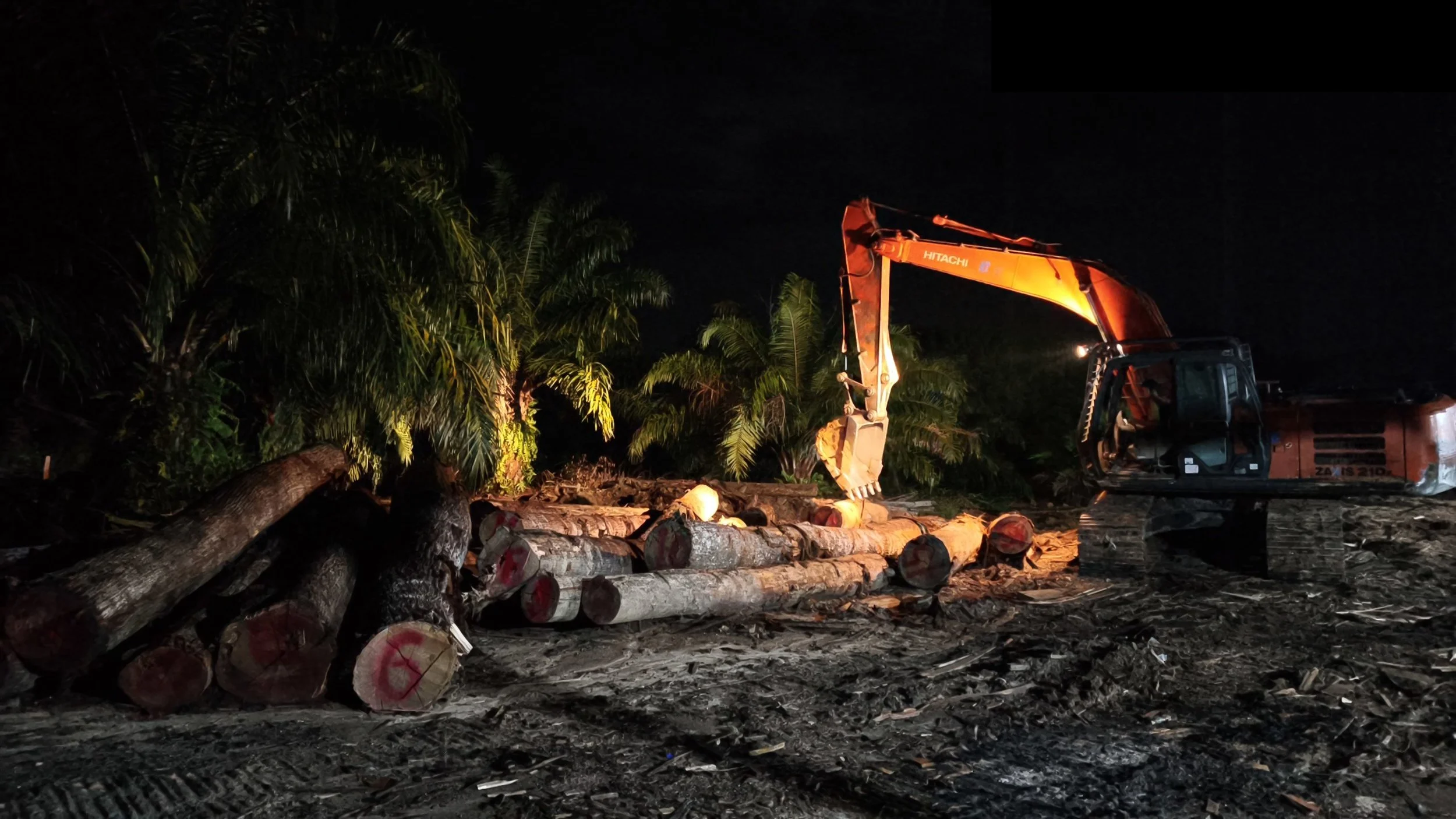
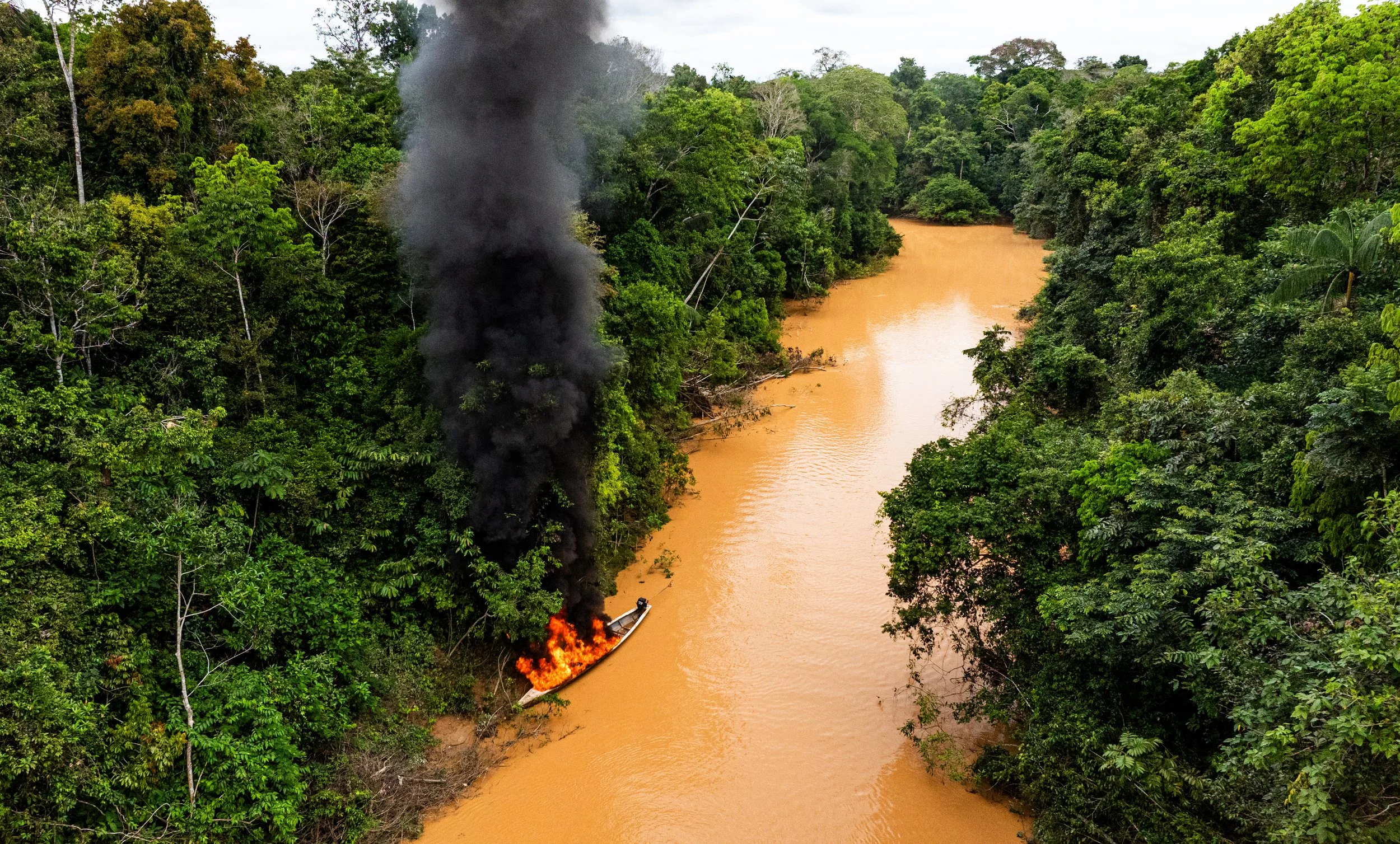
An international crackdown on environmental crime across Latin America and the Caribbean led to 233 arrests and uncovered links between large-scale Amazon deforestation and companies across several continents.
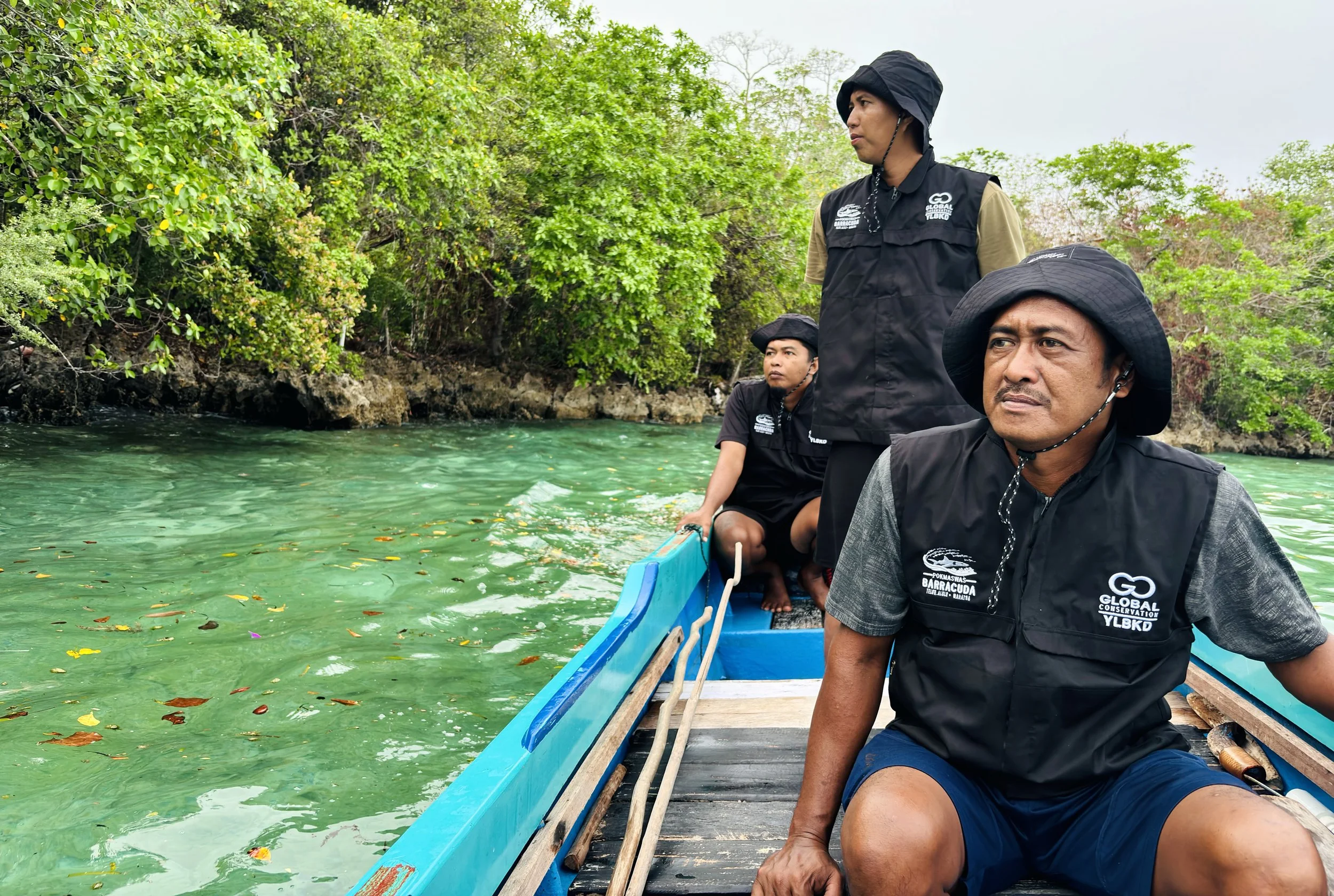
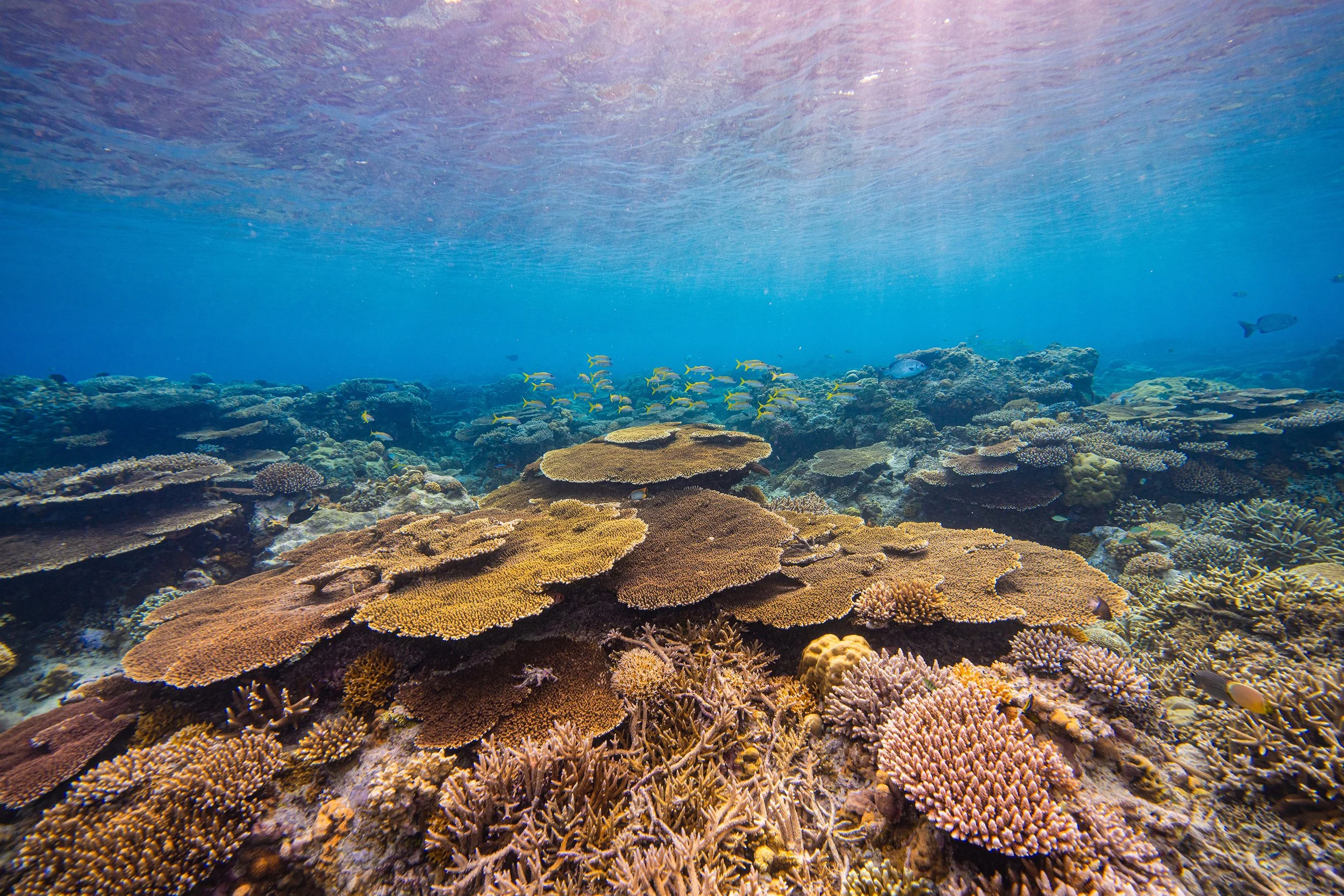
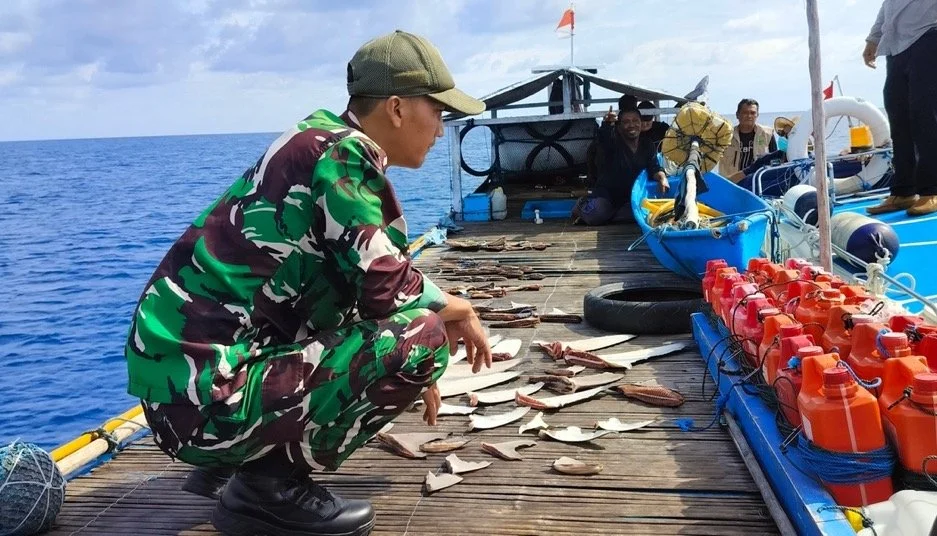
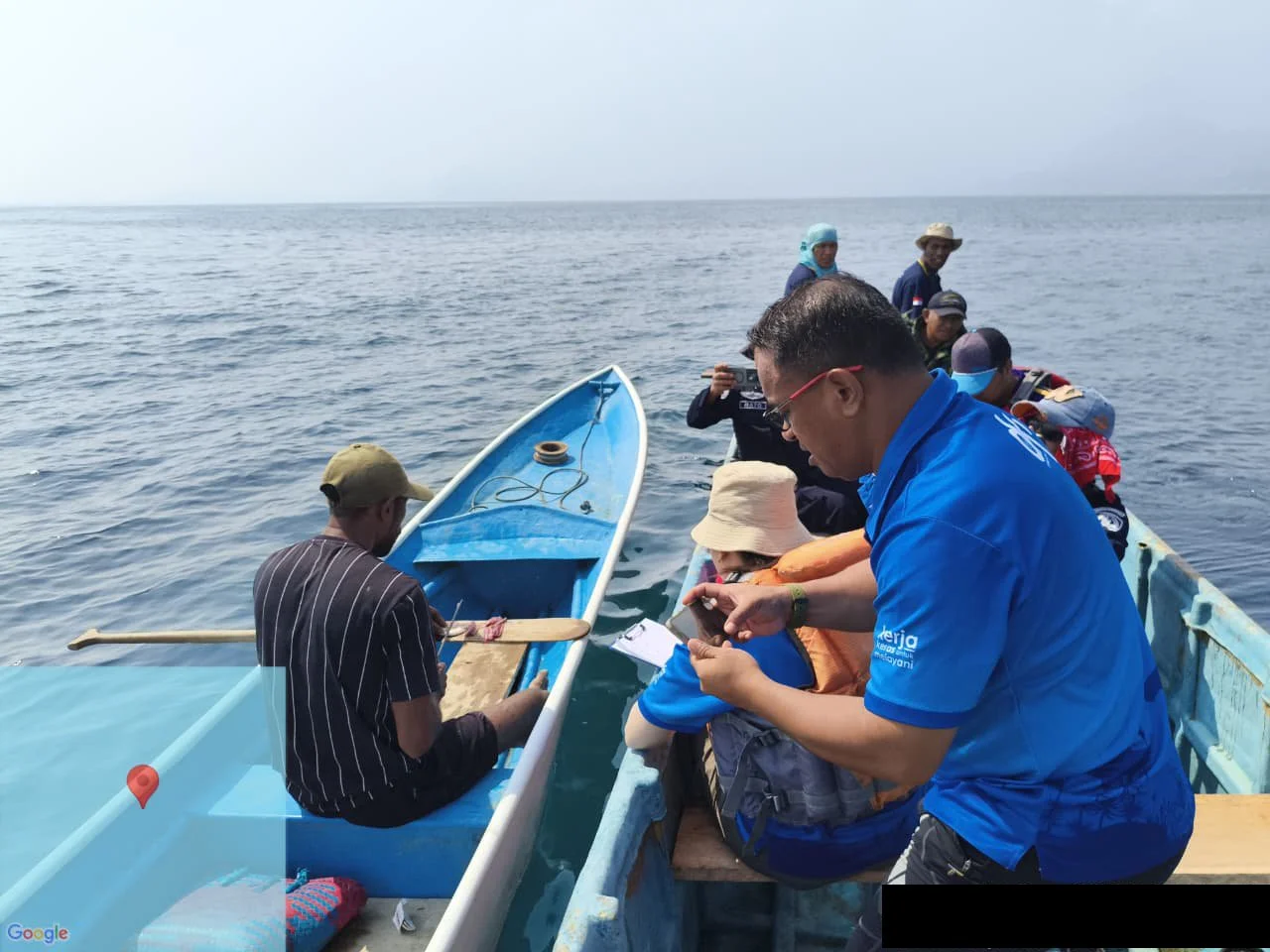
Throughout October 2026, Yayasan Laut Biru Kepulauan Derawan (YLBKD) and Global Conservation (GC) strengthened marine protection through joint government patrols, conservation technology, and community engagement.
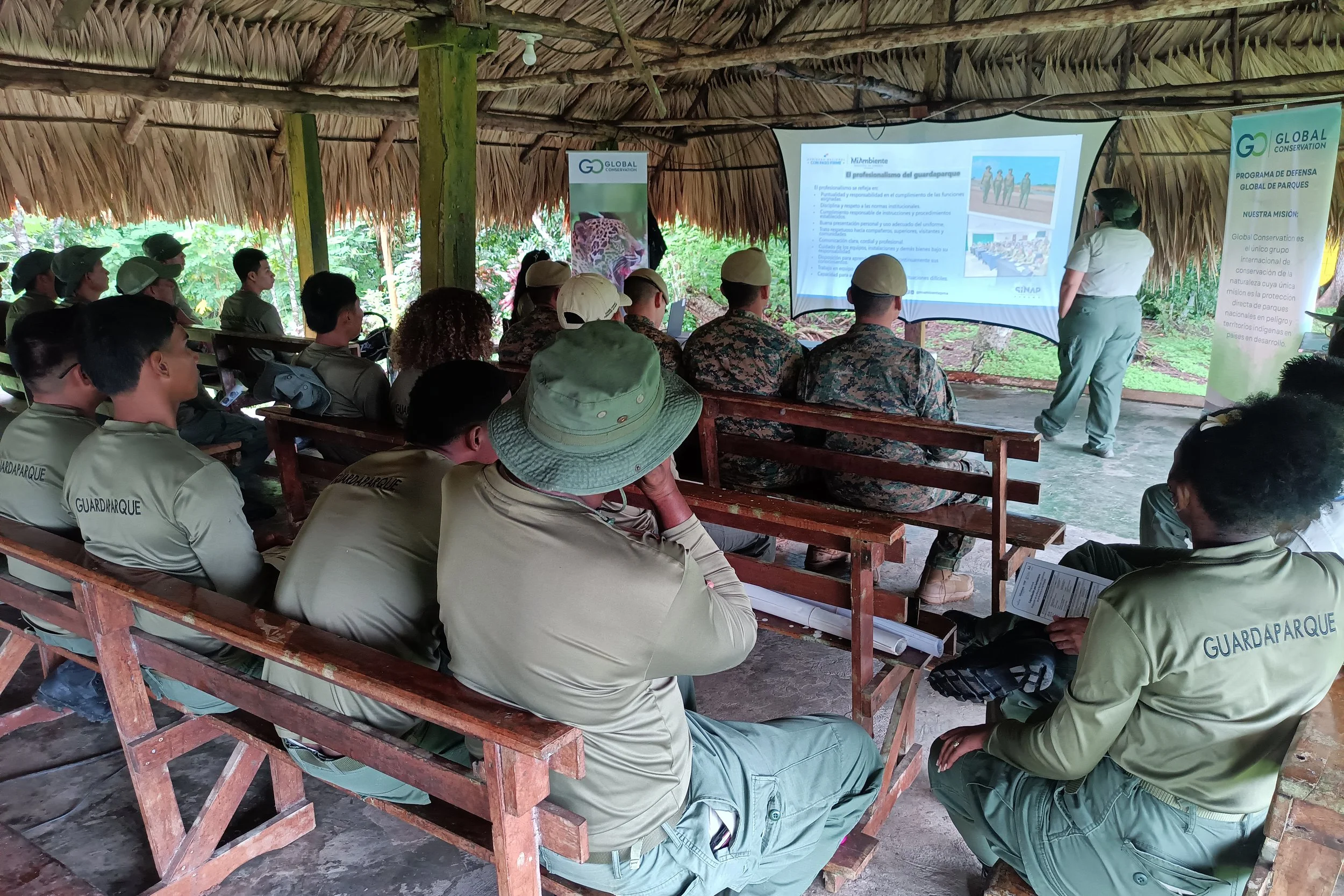
As part of ongoing efforts to strengthen institutional capacities for the protection and conservation of Panama's protected areas, GC, in coordination with the Ministry of Environment, conducted a training program for park rangers and officers of the National Border Service (SENAFRONT) to protect Darién.
GC shares news from our partner Panthera and where else we work to help save Endangered African Lions. We're helping to fight against the local extinction of two different populations of African lions.
During August, Global Conservation (GC) and Yayasan Laut Biru Kepulauan Derawan (YLBKD) continued strengthening marine protection across East Kalimantan and Maluku through enforcement patrols, species protection, conservation technology, and community engagement under our Global Park Defense (GPD) and Community Protection (CP) programs.
Global Conservation has recently invested in not one, not two, but seven new projects for both land and sea! Today, we’re featuring three of the projects that we’re most excited about. From protecting a crucial reef system in the Philippines to supporting the revival of a nearly non-existent population of lions in Sengal, each of these projects represents and supports a unique opportunity for our Global Park Defense process.
Over the February–May 2026 period, FKL carried out 9 joint patrol and law enforcement operations in SMRS. They covered Resorts Trumon, Rundeng, and Singkil across Aceh Selatan, Subulussalam, and Aceh Singkil.
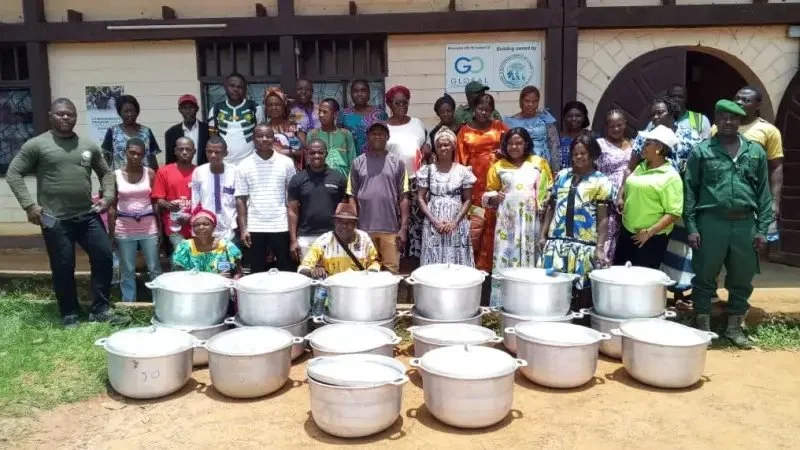
At the initiative of Nature Plus and Global Conservation Cameroon, the main objective was to bring together all the actors and stakeholders in the non-timber forest products (NTFP) sector to ensure the implementation of good practices at each stage, from harvesting to marketing.
Global Conservation is leading a training initiative at the Punta Patiño Wetland of International Importance, bringing together 30 park rangers and 10 National Border Service personnel to strengthen protection, surveillance, and enforcement of environmental regulations.
As gold prices surge, illegal mining has laid waste to swathes of Tambopata National Reserve’s rainforest
In the turquoise waters of Indonesia’s Derawan Archipelago, a deafening dynamite blast shatters the morning calm, trumpeting the ongoing destruction of one of the world’s most biodiverse marine ecosystems…
Throughout September 2026, Yayasan Laut Biru Kepulauan Derawan (YLBKD) and Global Conservation (GC) continued strengthening protected-area and species protection through field patrols, surveillance technology, and community engagement.