Global Conservation has begun four new GC projects, investing in both land and sea. From protecting a crucial reef system in the Philippines to supporting the revival of a nearly non-existent population of lions in Senegal, each of these projects represents and supports a unique opportunity for our Global Park Defense process.
Apo Reef Marine Protection, Philippines
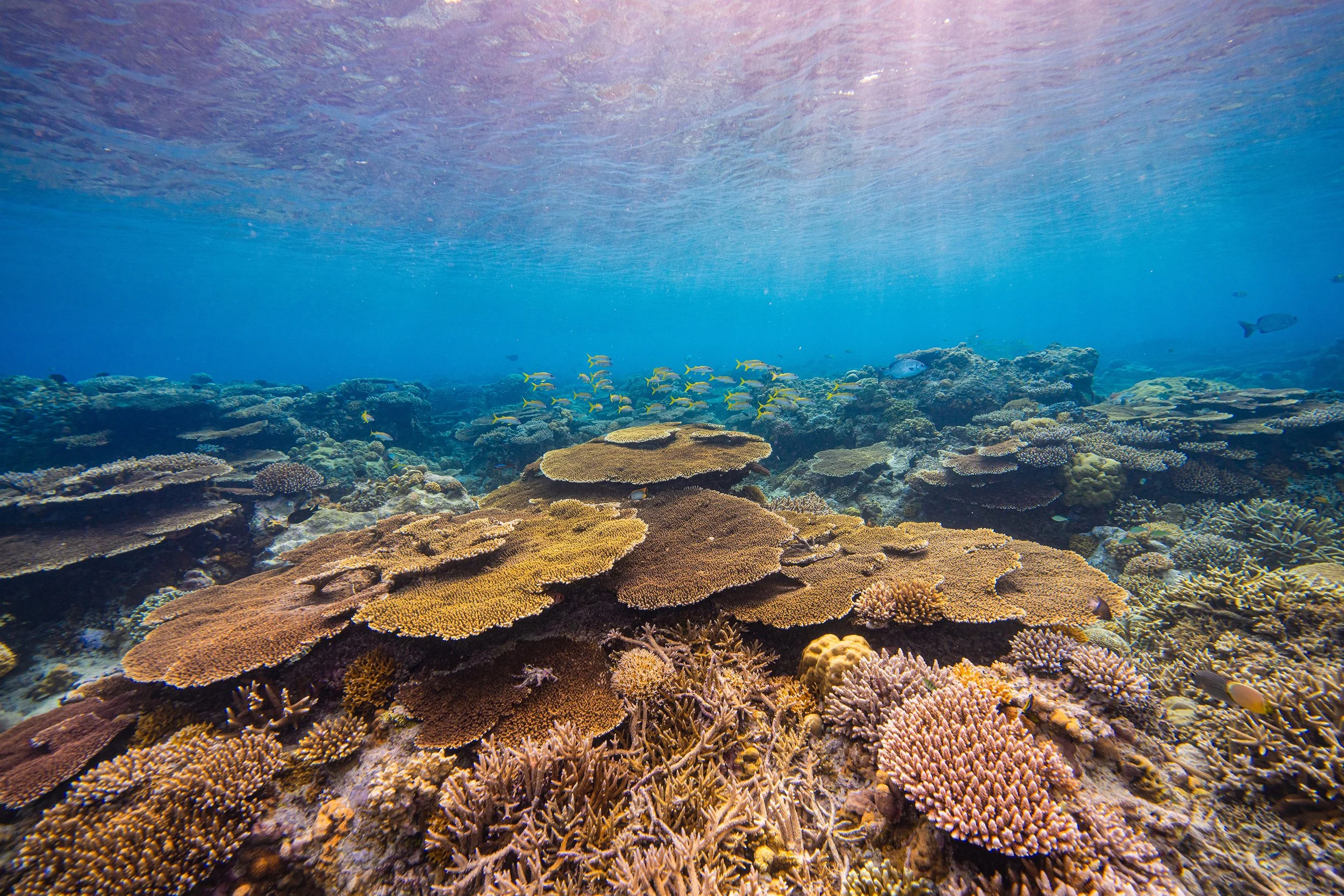
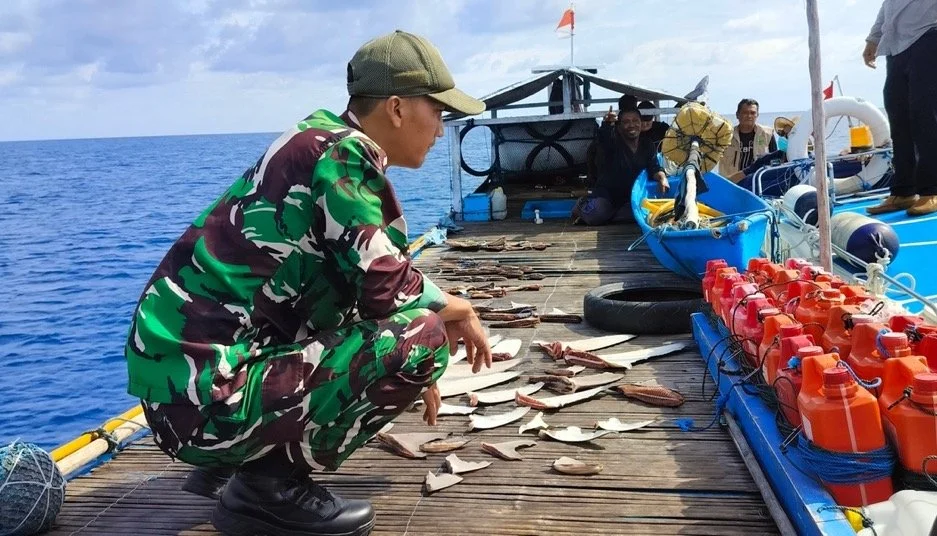
Global Conservation is supporting Marine Protection for Apo Reef National Marine Park in the Philippines, including Marine Monitor (M2) radar, fast boats and motors, Rapid Response Teams, and deployment of Skylight and EarthRanger marine protection systems.
In addition, Global Conservation provides operating support for Marine Warden patrolling, as well as vessel fuel and maintenance needed to deliver 24/7 surveillance and rapid response interdictions against illegal fishing in the national Marine Protected Area.
Ruaha National Park, Tanzania
The Ruaha Usangu Wetlands are a vital ecological lifeline in southern Tanzania. Covering about 6,000 km², they are the primary source of the Great Ruaha River and serve as a crucial dry-season refuge for vast wildlife, maintaining the environmental balance of the entire Ruaha-Rungwa ecosystem.
Our project aims to deploy Global Park Defense and Community Protection in Ruaha National Park’s Usangu Wetlands and surrounding areas, covering approximately 200,000 hectares in the Southwest of the park.
The goals are to: Stop the grazing of cattle within the National Park, focused on the Usanga Wetlands; Protect wildlife against illegal poaching and hunting in the Usanga Wetland and greater Ruaha National Park; and Develop a prosperous tourism economy for local communities to move from exploitation to conservation.
Niokolo-Koba National Park, Senegal
Global Conservation has been providing support to Niokolo-Koba National Park, Senegal, since 2022 to help the work of Panthera’s Philipp Henschel for national park recovery, expansion, and protection of all sectors through both scientific monitoring and ranger patrolling.
After this assessment period, Global Conservation was invited as a co-funder with the WCN Lion Recovery Fund (LRF) and the Rob Walton Foundation to expand patrolling coverage and solidify gains over the past 4 years.
The property has a remarkable diversity of wildlife, unique to the sub-region. It counts more than 70 species of mammals, 329 species of birds, 36 species of reptiles, 20 species of amphibians and a large number of invertebrates.
The park also boasts a wealth of habitats and a diverse flora, featuring over 1,500 important plant species. This remarkable plant diversity justifies the presence of a rich fauna characterized by the Derby Eland (the largest of African antelopes), chimpanzees, lions, leopards, and a large population of elephants, as well as many species of birds, reptiles, and amphibians.
Starting in 2022 through 2023, GC supported additional Elite Ranger Teams to foster Lion Recovery. Rangers patrolled 5,500 km on foot and 12,600 km on vehicles. This led to the detection of 22 poacher camps, 34 poacher trails, and 9 livestock encroachment events. A total of 15 poachers were arrested and prosecuted, with a total of 21 weapons confiscated.
Banda Sea Marine Protection in Maluku, Indonesia.Banda Seas
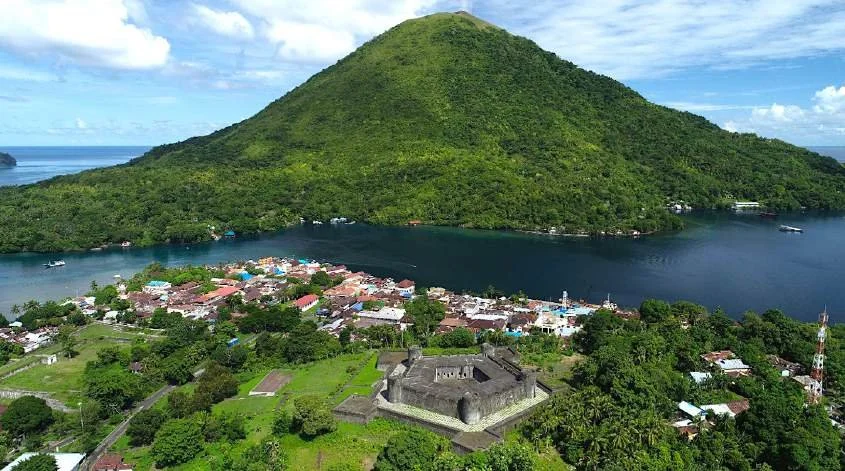
The Banda Archipelago is one of the most ecologically and historically important marine regions in Indonesia. Ecologically, the Banda Sea is one of the most vital marine basins in Indonesia. With depths reaching 8,000 meters, this area supports a powerful upwelling system, high marine productivity, and biodiversity comparable to other hotspots in the Coral Triangle. Surveys have recorded 397 coral species and 683 reef fish species, making Banda one of the highest biodiversity sites in the Asia-Pacific region.
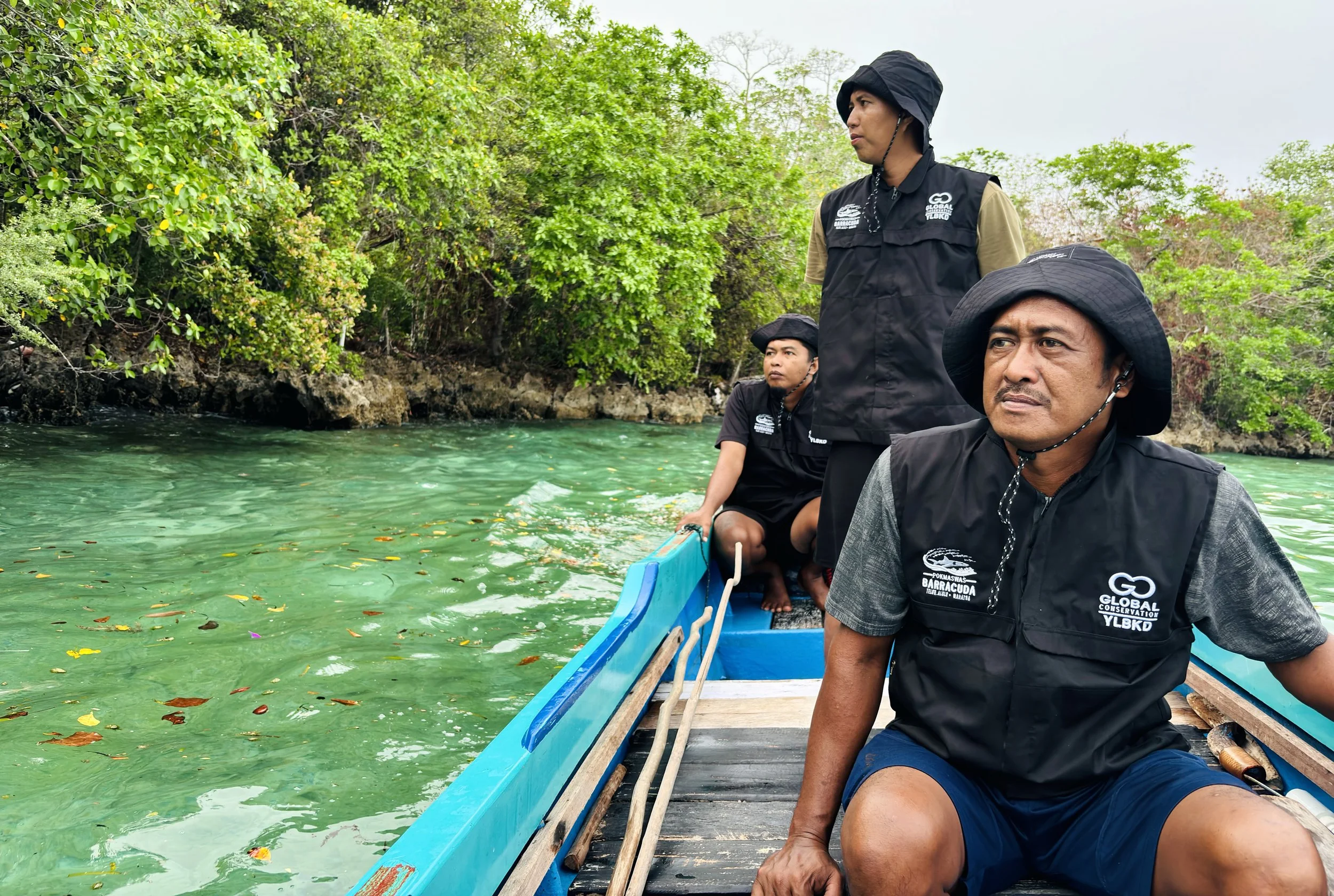
Efforts to protect and sustainably manage the Banda Seas (Spice Islands) have been further strengthened through the signing of a new Cooperation Agreement (PKS) between the Yayasan Laut Biru Kepulauan Derawan (YLBKD)/Global Conservation (GC) and the Maluku Marine and Fisheries Department (DKP) of Maluku Province, Indonesia.
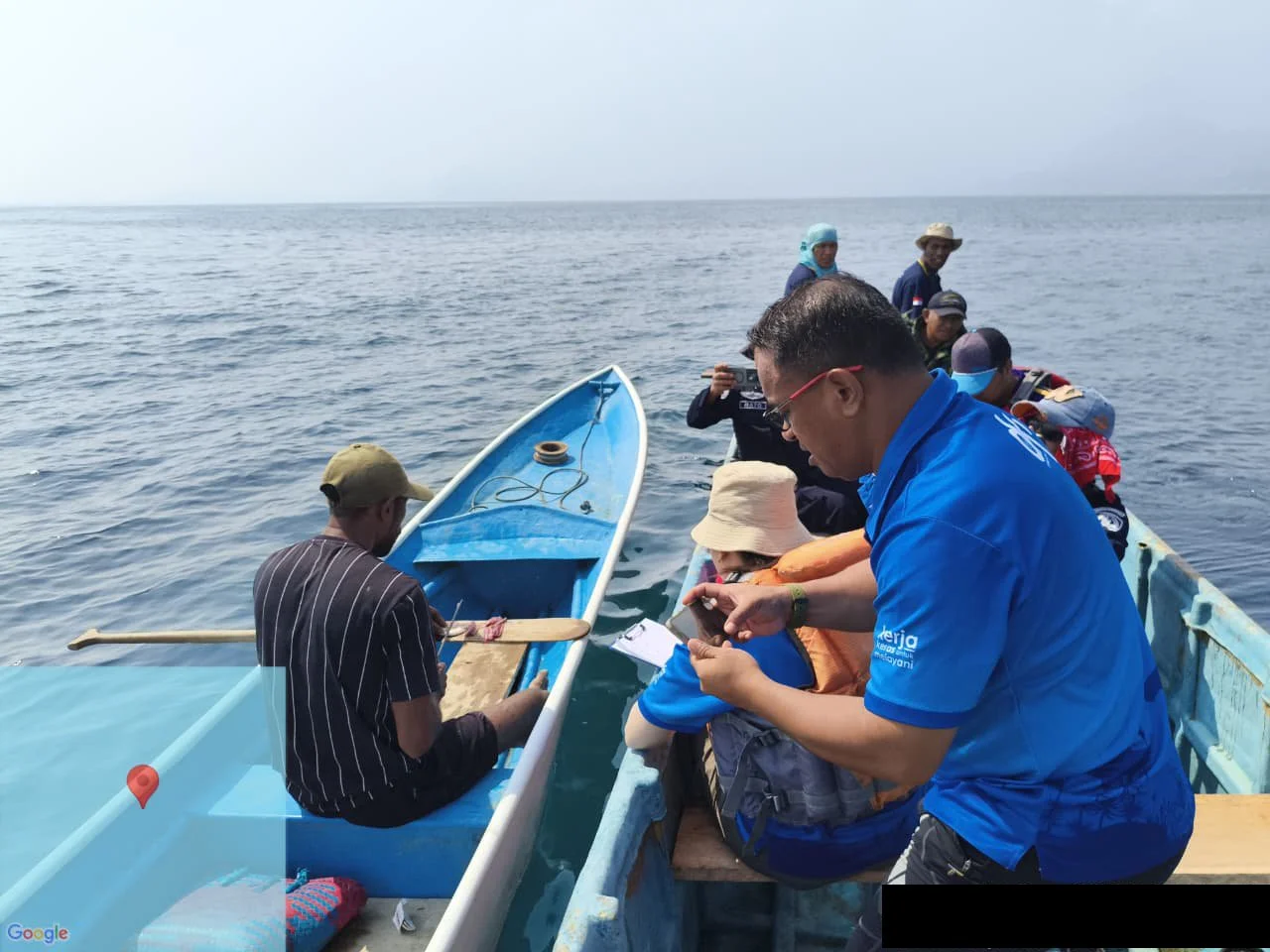
This collaboration focuses on operational support for surveillance and protection of the region from Illegal, Unreported, and Unregulated Fishing (IUU Fishing) practices.
Global Conservation signed its first MoU with the Maluku Fish and Marine Department to kick off a new joint GC Marine Protection program and EarthRanger deployment for the Maluku Islands in the Banda Sea of Indonesia.
GC organized and supported the first Joint Patrols in the Banda Seas using the EarthRanger platform for marine protection, combining the forces of Maluku Fish and Marine, the Indonesian Navy, Marine Police, and the local community.
You Can Protect Wildlife and Wildlands