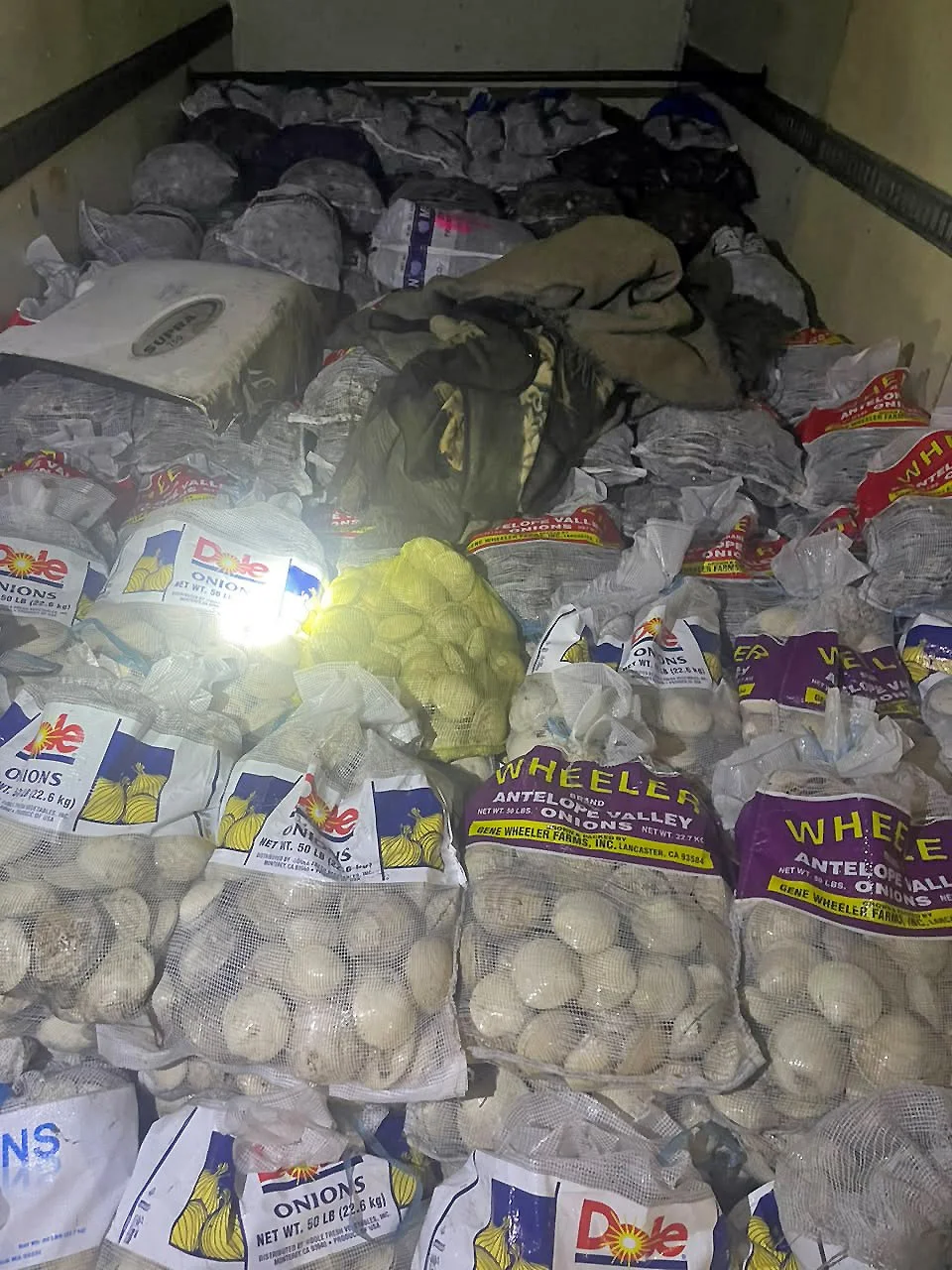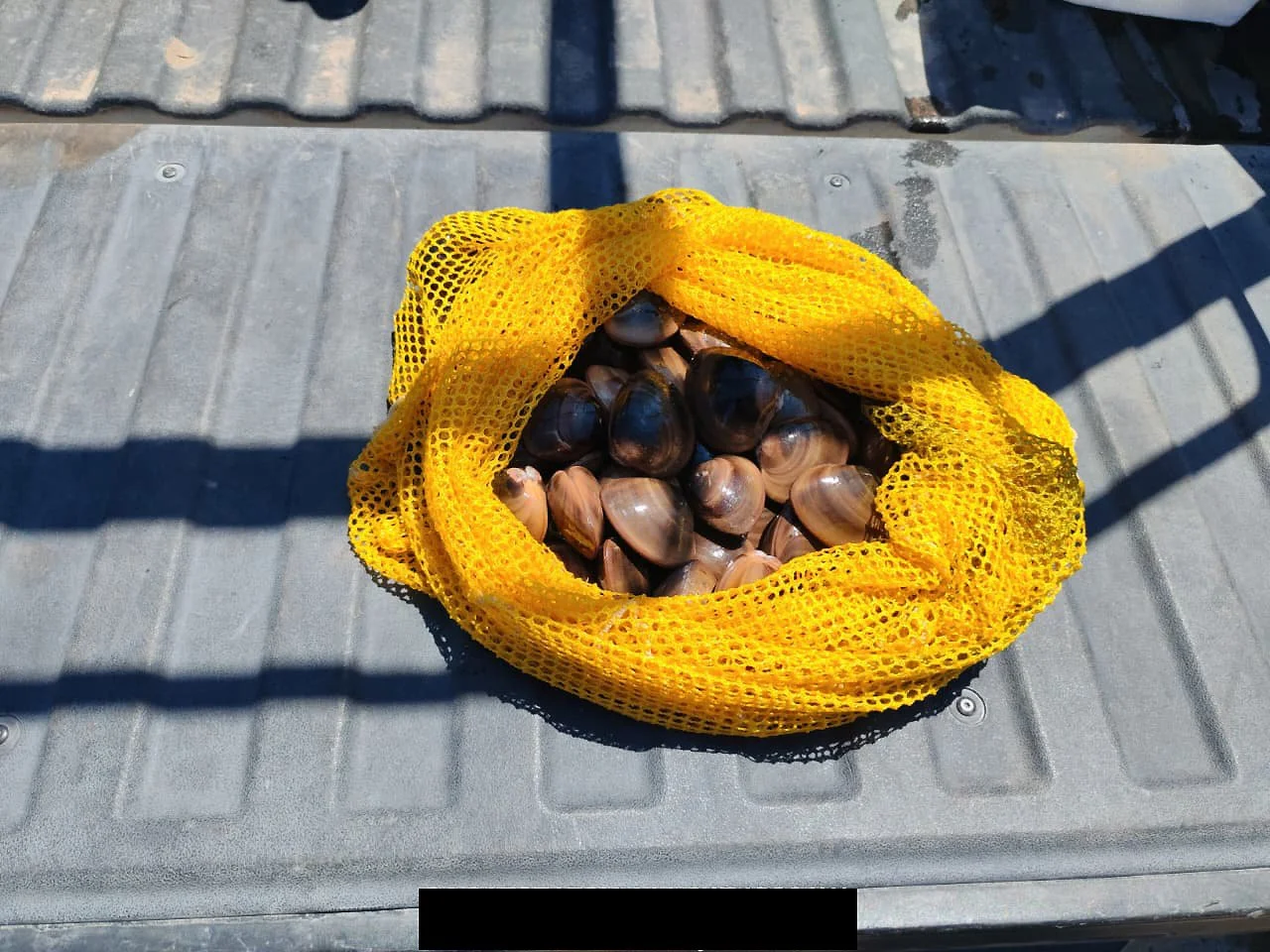

Thanks to the coordination conducted by a fishery officer, the estate troopers detained two young men with chocolata clams, and started the prosecution process in front of a judge.
In September, GC's Director for Mexico, Alejandro González, met with the Navy Almirant in charge of the zone close to Loreto, the municipal police, and the Federal Fishery Official that we are supporting to ensure his presence in Loreto.
This meeting is an ongoing coordination that we are enabling to prevent illegal fishing, including the fishing of the Chocolata clam, queen almeja (a white one), and other species.
“September was a good month for making a positive impact against illegal fishing in Loreto NP and its surroundings, and will continue patrolling these areas by both sea and land.”

In addition to the 3 tons of chocolate clams that were retained, the officer conducted a nighttime control point inspection a day ago, where he checked trucks and vans passing by the highway and detected a cargo containing 1 ton of queen almeja, which exceeded the transportation limit of 300 kg, resulting in its retention by the officers. This species is not under legal protection, but they were transporting more product than their permits allowed.

In addition to the three tons of chocolate clams that were retained, officers detected a cargo containing one ton of queen almeja, which exceeded the transportation limit of 300 kg, resulting in its retention by the officers.
The Islas Marías Biosphere Reserve (RBIM) highlights a series of coordinated actions involving personnel from the Islas Marías Naval Sector, the Coast Guard, ENSAR personnel, fisheries officers, federal CONAPESCA officers, and RBIM personnel to address threats to marine biodiversity in this protected natural area.
GC is providing CONANP critical patrolling operations funding, training, and technology to support critical operations against illegal activities. Recently, Global Conservation, with the support of CONANP, SEMAR, and PNO, deployed its first marine monitor in the archipelago.
The Citizen Observers Network (ROC), a Mexican organization based in La Paz, is the featured topic in the Mexico chapter of the new documentary series Guardians, a production of Prince William's United for Wildlife and the Royal Foundation. This recognition places Mexico on the international map of organized citizen monitoring, highlighting a locally built model with a technical, community-based, scientific, and replicable approach.
On the eastern coast of Baja California Sur, Global Conservation, with the support of partners and donors, has successfully deployed three M3 Marine Monitors while cartels approach and fund poaching efforts.
Islas Marías Biosphere Reserve is a No-Take zone and constitutes one of Mexico’s highest priorities to protect marine ecosystems through the deployment of Global Park Defense.
Global Conservation and partners celebrate the conviction in San Diego courts of Helgren’s Sportfishing, who pleaded guilty to illegal fishing in a California Marine Protected Area.
With Marine Monitor radar systems providing 24/7 surveillance, the State of California now has fighting chance against illegal fishing, which is estimated to steal over $240 million a year from coastal waters and marine protected areas.